












Read the passage and choose the correct answer to each question.
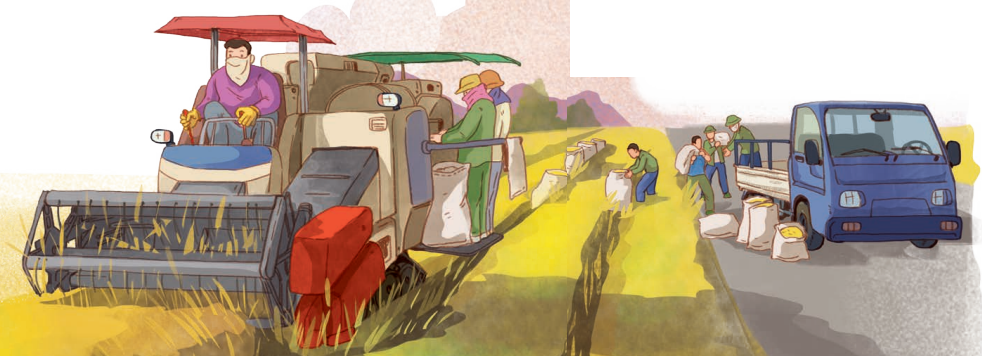
With the habit of working in teams and being helpful to one another, villagers usually earn their living from farming, raising livestock and making handicrafts. They live in a small community with a temple or a communal cultural house where great events, such as festivals worshipping the village god and traditional games are organized. Villagers in the Southern usually live in houses lined up along central road and built on stilts to keep above flood waters. Along the coastal lines, fishermen depend on the sea as a means of livelihood. In the Central of Vietnam, a place suffering lots of natural disasters all the year round, citizens tend to be more studious and hard-working than those in regions with favourable conditions. People in the central highlands and the northern mountains live by growing rice, rubber trees, coffee and tea as well as hunting.
(Source: Adapted from Vietnam Travel Center)
Which can be the topic of the passage?
Which can be the topic of the passage?
Villagers across the country
Villagers around the world
Vietnamese life in the countryside
Vietnamese life in the city
Đáp án : C
Đọc lướt qua toàn bộ đoạn văn để hiểu được nội dung chính từ đó so sánh với các đáp án để chọn đáp án đúng nhất.
Which can be the topic of the passage?
(Đâu có thể là chủ đề của đoạn văn?)
A. Villagers across the country
(Dân làng trên khắp đất nước)
B. Villagers around the world
(Dân làng trên khắp thế giới)
C. Vietnamese life in the countryside
(Cuộc sống của người Việt Nam ở nông thôn)
D. Vietnamese life in the city
(Cuộc sống của người Việt Nam ở thành thị)
Chọn C

Which activity is NOT MENTIONED as a way for villagers to earn their livings?
Which activity is NOT MENTIONED as a way for villagers to earn their livings?
farming
fishing
studying
hunting
Đáp án : C
Đọc lướt qua bài để xác định thông tin về “a way for villagers to earn their livings” từ đó chọn đáp án KHÔNG phải là một phương thức mà dân làng kiếm sống.
Which activity is NOT MENTIONED as a way for villagers to earn their livings?
(Hoạt động nào KHÔNG được nhắc đến như một cách kiếm sống của người dân làng?)
A. farming
(làm nông)
B. fishing
(đánh cá)
C. studying
(học tập)
D. hunting
(săn bắn)
Thông tin: With the habit of working in teams and being helpful to one another, villagers usually earn their living from farming, raising livestock and making handicrafts. [...] Along the coastal lines, fishermen depend on the sea as a means of livelihood. [...] People in the central highlands and the northern mountains live by growing rice, rubber trees, coffee and tea as well as hunting.
(Với thói quen làm việc theo nhóm và giúp đỡ lẫn nhau, người dân làng thường kiếm sống bằng nghề nông, chăn nuôi và làm đồ thủ công. [...] Dọc theo bờ biển, ngư dân phụ thuộc vào biển như một phương tiện sinh kế. [...] Người dân ở vùng cao nguyên miền Trung và miền núi phía Bắc sống bằng nghề trồng lúa, cây cao su, cà phê, chè và săn bắn.)
Chọn C
Why do Southern villagers need to build their houses on stilt?
Why do Southern villagers need to build their houses on stilt?
To protect the house from being attacked by wild animals.
To protect the house from being flooded.
To protect the house from earthquakes.
To protect the house from evil things.
Đáp án : B
Đọc lướt qua bài đọc để xác định thông tin về “Southern villagers” từ đó đối chiếu với các đáp án để chọn lý do vì sao dân làng miền Nam cần xây nhà sàn.
Why do Southern villagers need to build their houses on stilt?
(Tại sao người dân miền Nam lại cần xây nhà sàn?)
A. To protect the house from being attacked by wild animals.
(Để bảo vệ ngôi nhà khỏi bị thú dữ tấn công.)
B.To protect the house from being flooded.
(Để bảo vệ ngôi nhà khỏi bị ngập lụt.)
C. To protect the house from earthquakes.
(Để bảo vệ ngôi nhà khỏi động đất.)
D. To protect the house from evil things.
(Để bảo vệ ngôi nhà khỏi những điều xui xẻo.)
Thông tin: Villagers in the Southern usually live in houses lined up along central road and built on stilts to keep above flood waters.
(Người dân ở miền Nam thường sống trong những ngôi nhà nằm dọc theo con đường trung tâm và được xây dựng trên sàn để tránh nước lũ.)
Chọn B
Which sentence is NOT TRUE according to the passage?
Which sentence is NOT TRUE according to the passage?
There are many natural disasters in the Central part of Vietnam.
Houses in the Southern part of Vietnam often situate along the central road.
People in the Northern Mountains earn their livings by hunting.
Villagers often work individually.
Đáp án : D
Lần lượt đọc và xác định từ khóa trong từng đáp án, đọc lướt qua bài đọc để xác định thông tin có liên quan, so sánh đối chiếu để xác định câu KHÔNG ĐÚNG theo nội dung bài đọc.
Which sentence is NOT TRUE according to the passage?
(Theo đoạn văn, câu nào sau đây KHÔNG ĐÚNG?)
A. There are many natural disasters in the Central part of Vietnam.
(Miền Trung Việt Nam thường xuyên xảy ra thiên tai.)
Thông tin: In the Central of Vietnam, a place suffering lots of natural disasters all the year round, citizens tend to be more studious and hard-working than those in regions with favourable conditions.
(Ở miền Trung Việt Nam, nơi quanh năm chịu nhiều thiên tai, người dân có xu hướng hiếu học và chăm chỉ hơn những vùng có điều kiện thuận lợi.)
B. Houses in the Southern part of Vietnam often situate along the central road.
(Nhà cửa ở miền Nam Việt Nam thường nằm dọc theo con đường trung tâm.)
Thông tin: Villagers in the Southern usually live in houses lined up along central road and built on stilts to keep above flood waters.
(Người dân ở miền Nam thường sống trong những ngôi nhà nằm dọc theo con đường trung tâm và được xây dựng trên sàn để tránh nước lũ.)
C. People in the Northern Mountains earn their livings by hunting.
(Người dân vùng núi phía Bắc kiếm sống bằng nghề săn bắn.)
Thông tin: People in the central highlands and the northern mountains live by growing rice, rubber trees, coffee and tea as well as hunting.
(Người dân ở vùng cao nguyên miền Trung và miền núi phía Bắc sống bằng nghề trồng lúa, cây cao su, cà phê, chè và săn bắn.)
D. Villagers often work individually.
(Dân làng thường làm việc riêng lẻ.)
Thông tin: With the habit of working in teams and being helpful to one another, villagers usually earn their living from farming, raising livestock and making handicrafts.
(Với thói quen làm việc theo nhóm và giúp đỡ lẫn nhau, người dân làng thường kiếm sống bằng nghề nông, chăn nuôi và làm đồ thủ công.)
Chọn D
Which explanation has the closest meaning to the word “studious” in the passage?
Which explanation has the closest meaning to the word “studious” in the passage?
spending a lot of time studying
lacking of academic knowledge
being lazy in studying
being very intelligent
Đáp án : A
Xác định vị trí của từ “studious” trong đoạn văn, dịch nghĩa của câu có chứa từ để hiểu nghĩa của từ, lần lượt dịch các đáp án để xác định từ đồng nghĩa với nó.
Which explanation has the closest meaning to the word “studious” in the passage?
(Giải thích nào gần nghĩa nhất với từ “chăm học” trong đoạn văn?)
A. spending a lot of time studying
(dành nhiều thời gian để học)
B. lacking of academic knowledge
(thiếu kiến thức học thuật)
C. being lazy in studying
(lười học)
D. being very intelligent
(rất thông minh)
Thông tin: In the Central of Vietnam, a place suffering lots of natural disasters all the year round, citizens tend to be more studious and hard-working than those in regions with favourable conditions.
(Ở miền Trung Việt Nam, nơi quanh năm chịu nhiều thiên tai, người dân có xu hướng hiếu học và chăm chỉ hơn những vùng có điều kiện thuận lợi.)
Chọn A
Tạm dịch bài đọc:
Với tập quán làm việc theo nhóm và giúp đỡ lẫn nhau, người dân làng thường kiếm sống bằng nghề nông, chăn nuôi và làm đồ thủ công mỹ nghệ. Họ sống trong một cộng đồng nhỏ với một ngôi đền hoặc nhà văn hóa cộng đồng, nơi tổ chức các sự kiện lớn, chẳng hạn như lễ hội thờ thần làng và các trò chơi dân gian. Người dân miền Nam thường sống trong những ngôi nhà sàn dọc theo đường giữa để tránh lũ. Dọc theo bờ biển, ngư dân phụ thuộc vào biển cả như một phương tiện sinh kế. Ở miền Trung Việt Nam, nơi quanh năm chịu nhiều thiên tai, người dân có xu hướng hiếu học và chăm chỉ hơn những vùng có điều kiện thuận lợi. Người dân ở Tây Nguyên và miền núi phía Bắc sống bằng nghề trồng lúa, cao su, cà phê, chè và săn bắn.
(Nguồn: Chuyển thể từ Trung tâm Du lịch Việt Nam)







Danh sách bình luận