












Read a text about global warming. Choose the correct answer to fill in each gap.
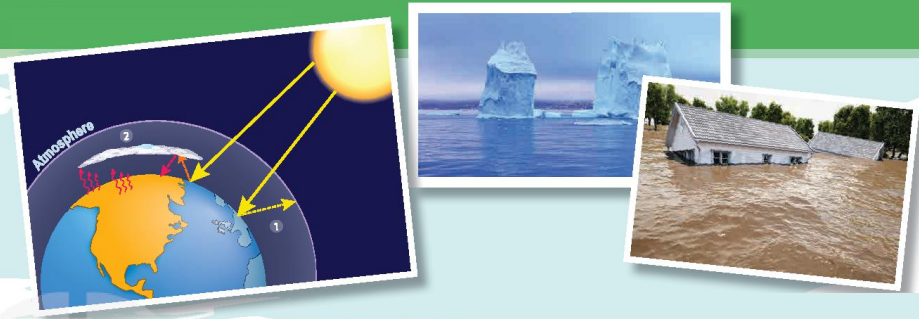
Oil, gas, and coal have powered industry, automobiles, and homes during the last few centuries. These energy sources (1) _______ carbon dioxide (CO2) into the atmosphere. Heat that might otherwise leave Earth's atmosphere is trapped by this gas. As a result, Earth's (2) _______ rises, adding to global warming.
Over the last century, the average temperature of Earth has risen by around 1.5°F. It may not seem like much, but experts believe that drought, melting glaciers, and coral reef die-off are all results of (3) _______ temperatures. (Too warm water is inhospitable to coral.) By 2100, they predict that the temperature will have warmed by an additional. 5°F to 8.6°F.
Beyond temperature, (4) _______ has other effects. Global weather patterns are impacted by changes in ocean current patterns brought about by warmer water.
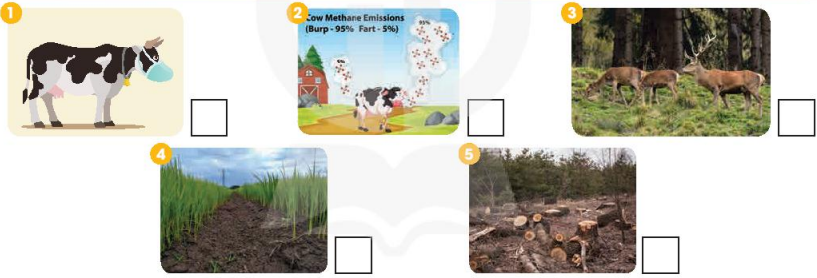
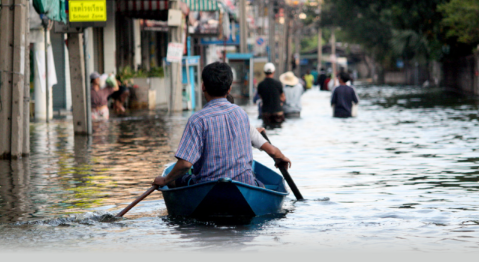
There is a chance that some areas could experience floods due to increased rainfall, while other areas may experience (5) _______ due to less rainfall. Stronger tropical storms and a continuous rise in sea level brought on the polar ice melting that could destroy homes.
(Adapted from https://kids.nationalgeographic.com/science/article/climate-change)
Oil, gas, and coal have powered industry, automobiles, and homes during the last few centuries. These energy sources (1) _______ carbon dioxide (CO2) into the atmosphere.
Oil, gas, and coal have powered industry, automobiles, and homes during the last few centuries. These energy sources (1) _______ carbon dioxide (CO2) into the atmosphere.
trap
are
release
provide
Đáp án : C
- Dịch nghĩa câu đề bài để hiểu được ngữ cảnh của câu.
- Dịch nghĩa các đáp án và lần lượt điền các đáp án vào chỗ trống để chọn được đáp án phù hợp nhất tạo thành câu có nghĩa.
Oil, gas, and coal have powered industry, automobiles, and homes during the last few centuries. These energy sources (11) _______ carbon dioxide (CO2) into the atmosphere.
(Dầu, khí đốt và than đá đã cung cấp năng lượng cho ngành công nghiệp, ô tô và nhà ở trong vài thế kỷ qua. Các nguồn năng lượng này (11) _______ khí CO2 vào khí quyển.)
A. trap (v): bắt giữ
B. are: thì/ là
C. release (v): thải ra/ thoát ra/ giái phóng
D. provide (v): cung cấp
Câu hoàn chỉnh: These energy sources release carbon dioxide (CO2) into the atmosphere.
(Các nguồn năng lượng này thải khí CO2 vào khí quyển.)
Chọn C

Heat that might otherwise leave Earth's atmosphere is trapped by this gas. As a result, Earth's (2) _______ rises, adding to global warming.
Heat that might otherwise leave Earth's atmosphere is trapped by this gas. As a result, Earth's (2) _______ rises, adding to global warming.
temperature
climate
condition
weather
Đáp án : A
- Dịch nghĩa câu đề bài để hiểu được ngữ cảnh của câu.
- Dịch nghĩa các đáp án và lần lượt điền các đáp án vào chỗ trống để chọn được đáp án phù hợp nhất tạo thành câu có nghĩa.
Heat that might otherwise leave Earth's atmosphere is trapped by this gas. As a result, Earth's (12) _______ rises, adding to global warming.
(Nhiệt lượng có thể thoát ra khỏi bầu khí quyển của Trái Đất bị giữ lại bởi loại khí này. Kết quả là, (12) ________ của Trái Đất tăng lên, làm tăng thêm hiện tượng nóng lên toàn cầu.)
A. temperature (n): nhiệt độ
B. climate (n): khí hậu
C. condition (n): điều kiện/ tình hình
D. weather (n): thời tiết
Câu hoàn chỉnh: As a result, Earth's temperature rises, adding to global warming.
(Kết quả là, nhiệt độ của Trái Đất tăng lên, làm tăng thêm hiện tượng nóng lên toàn cầu.)
Chọn A
Over the last century, the average temperature of Earth has risen by around 1.5°F. It may not seem like much, but experts believe that drought, melting glaciers, and coral reef die-off are all results of (3) _______ temperatures. (Too warm water is inhospitable to coral.) By 2100, they predict that the temperature will have warmed by an additional. 5°F to 8.6°F.
Over the last century, the average temperature of Earth has risen by around 1.5°F. It may not seem like much, but experts believe that drought, melting glaciers, and coral reef die-off are all results of (3) _______ temperatures. (Too warm water is inhospitable to coral.) By 2100, they predict that the temperature will have warmed by an additional. 5°F to 8.6°F.
melting
rising
freezing
boiling
Đáp án : B
- Dịch nghĩa câu đề bài để hiểu được ngữ cảnh của câu.
- Dịch nghĩa các đáp án và lần lượt điền các đáp án vào chỗ trống để chọn được đáp án phù hợp nhất tạo thành câu có nghĩa.
Over the last century, the average temperature of Earth has risen by around 1.5°F. It may not seem like much, but experts believe that drought, melting glaciers, and coral reef die-off are all results of (13) _______ temperatures.
(Trong thế kỷ qua, nhiệt độ trung bình của Trái Đất đã tăng khoảng 1,5°F. Có vẻ không nhiều, nhưng các chuyên gia tin rằng hạn hán, băng tan và rạn san hô chết hàng loạt đều là kết quả của (13) ____________nhiệt độ.)
A. melting (V-ing): tan chảy
B. rising (V-ing): tăng
C. freezing (V-ing): đóng băng
D. boiling (V-ing): sôi
Câu hoàn chỉnh: It may not seem like much, but experts believe that drought, melting glaciers, and coral reef die-off are all results of rising temperatures.
(Có vẻ không đáng kể, nhưng các chuyên gia tin rằng hạn hán, băng tan và rạn san hô chết đều là hậu quả của nhiệt độ tăng cao.)
Chọn B
Beyond temperature, (4) _______ has other effects. Global weather patterns are impacted by changes in ocean current patterns brought about by warmer water.
Beyond temperature, (4) _______ has other effects. Global weather patterns are impacted by changes in ocean current patterns brought about by warmer water.
global weather
weather condition
greenhouse gas
climate change
Đáp án : D
- Dịch nghĩa câu đề bài để hiểu được ngữ cảnh của câu.
- Dịch nghĩa các đáp án và lần lượt điền các đáp án vào chỗ trống để chọn được đáp án phù hợp nhất tạo thành câu có nghĩa.
Beyond temperature, (14) _______ has other effects. Global weather patterns are impacted by changes in ocean current patterns brought about by warmer water.
(Ngoài nhiệt độ, (14) _______ còn có những tác động khác. Các kiểu thời tiết toàn cầu bị ảnh hưởng bởi những thay đổi trong các kiểu dòng hải lưu do nước ấm gây ra.)
A. global weather: thời tiết toàn cầu
B. weather condition: tình hình thời tiết
C. greenhouse gas: khí nhà kính
D. climate change: biến đổi khí hậu
Câu hoàn chỉnh: Beyond temperature, (14) climate change has other effects.
(Ngoài nhiệt độ, biến đổi khí hậu còn có những tác động khác.)
Chọn D
There is a chance that some areas could experience floods due to increased rainfall, while other areas may experience (5) _______ due to less rainfall. Stronger tropical storms and a continuous rise in sea level brought on the polar ice melting that could destroy homes.
There is a chance that some areas could experience floods due to increased rainfall, while other areas may experience (5) _______ due to less rainfall. Stronger tropical storms and a continuous rise in sea level brought on the polar ice melting that could destroy homes.
storms
droughts
hurricanes
floods
Đáp án : B
- Dịch nghĩa câu đề bài để hiểu được ngữ cảnh của câu.
- Dịch nghĩa các đáp án và lần lượt điền các đáp án vào chỗ trống để chọn được đáp án phù hợp nhất tạo thành câu có nghĩa.
There is a chance that some areas could experience floods due to increased rainfall, while other areas may experience (15) _______ due to less rainfall. Stronger tropical storms and a continuous rise in sea level brought on the polar ice melting that could destroy homes.
(Có khả năng một số khu vực có thể bị lũ lụt do lượng mưa tăng, trong khi các khu vực khác có thể bị (15) _______ do lượng mưa ít hơn. Bão nhiệt đới mạnh hơn và mực nước biển liên tục dâng cao đã khiến băng ở hai cực tan chảy, có thể phá hủy nhà cửa.)
A. storms (n): bão
B. droughts (n): hạn hán
C. hurricanes (n): bão nhiệt đới
D. floods (n): lũ lụt
Câu hoàn chỉnh: There is a chance that some areas could experience floods due to increased rainfall, while other areas may experience droughts due to less rainfall.
(Có khả năng một số khu vực có thể bị lũ lụt do lượng mưa tăng, trong khi các khu vực khác có thể bị hạn hán do lượng mưa ít hơn.)
Chọn B
Bài đọc hoàn chỉnh:
Oil, gas, and coal have powered industry, automobiles, and homes during the last few centuries. These energy sources (1) release carbon dioxide (CO2) into the atmosphere. Heat that might otherwise leave Earth's atmosphere is trapped by this gas. As a result, Earth's (2) temperature rises, adding to global warming.
Over the last century, the average temperature of Earth has risen by around 1.5°F. It may not seem like much, but experts believe that drought, melting glaciers, and coral reef die-off are all results of (3) rising temperatures. (Too warm water is inhospitable to coral.) By 2100, they predict that the temperature will have warmed by an additional. 5°F to 8.6°F.
Beyond temperature, (4) climate change has other effects. Global weather patterns are impacted by changes in ocean current patterns brought about by warmer water.
There is a chance that some areas could experience floods due to increased rainfall, while other areas may experience (5) droughts due to less rainfall. Stronger tropical storms and a continuous rise in sea level brought on the polar ice melting that could destroy homes.
Tạm dịch:
Dầu, khí đốt và than đá đã cung cấp năng lượng cho ngành công nghiệp, ô tô và nhà ở trong vài thế kỷ qua. Các nguồn năng lượng này (1) thải ra carbon dioxide (CO2) vào khí quyển. Nhiệt lượng có thể thoát ra khỏi khí quyển của Trái Đất bị khí này giữ lại. Do đó, (2) nhiệt độ của Trái Đất tăng lên, góp phần làm nóng lên toàn cầu. Trong thế kỷ qua, nhiệt độ trung bình của Trái Đất đã tăng khoảng 1,5°F. Có vẻ không nhiều, nhưng các chuyên gia tin rằng hạn hán, băng tan và rạn san hô chết đều là kết quả của (3) nhiệt độ tăng. (Nước quá ấm không thích hợp cho san hô.) Đến năm 2100, họ dự đoán rằng nhiệt độ sẽ ấm thêm. 5°F đến 8,6°F. Ngoài nhiệt độ, (4) biến đổi khí hậu còn có những tác động khác. Các kiểu thời tiết toàn cầu bị ảnh hưởng bởi những thay đổi trong các kiểu dòng hải lưu do nước ấm hơn gây ra. Có khả năng một số khu vực có thể bị lũ lụt do lượng mưa tăng, trong khi các khu vực khác có thể bị (5) hạn hán do lượng mưa ít hơn. Những cơn bão nhiệt đới mạnh hơn và mực nước biển liên tục dâng cao đã khiến băng ở hai cực tan chảy, có thể phá hủy nhà cửa.





Danh sách bình luận