Bài 9 :
2.Read the article and mark the sentences T (true) or F (false).
(Đọc bài và đánh dấu các câu T (đúng) hoặc F (sai).)
MAKATON
Did you use Makaton when you were a child? Many people did. Today over 100,000 people, children and adults, use it in more than forty countries! So, what is Makaton? And which country speaks it?
In fact, it isn't a normal language. There isn't a country where people speak Makaton because it's an invented language. But it is very useful to a lot of people. In 1970 three researchers at the Royal College for Deaf People invented the language for people who had problems communicating. It was for people who couldn't hear, people who had learning problems, people who had problems communicating, and especially for young children who were slow learning to speak.
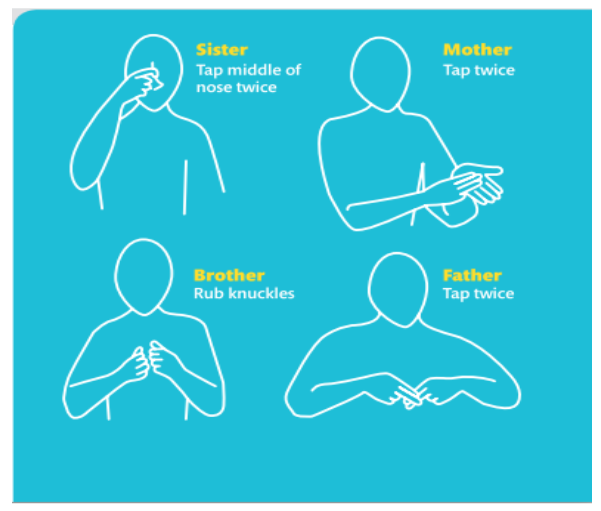
Makaton uses movements of the hand and body, and expressions on the face together with spoken words to communicate. It's possible to communicate more than 7,000 ideas! When the speaker starts to use spoken language (like a young child) he uses Makaton and words and then stops using Makaton completely. For other people with bigger problems, Makaton helps them 'talk' to other people. For example, it can help them take part in games, read and tell stories, and show how they are feeling
Margaret Walker, Katherine Johnstone and Tony Cornforth created the language and their wonderful idea helps a lot of people today. The name of the language is the first letters of their names.
1. ❑ Only British people use Makaton.
2. ❑ Three college students invented the language.
3. ❑ Makaton is for people who have problems communicating.
4. ❑ Many people use Makaton for a short time and then stop.
5. ❑ The name of the language is from the names of the researchers' children.



















Danh sách bình luận