












Read the passage carefully and choose the correct answer.
Viet Nam Likely to Face Extreme Weather Conditions by 2050
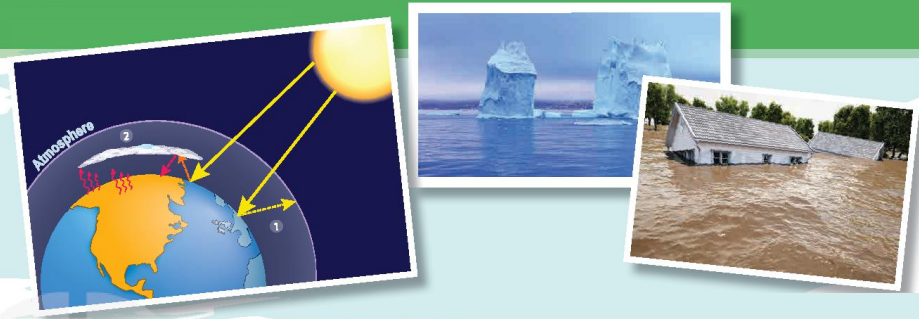
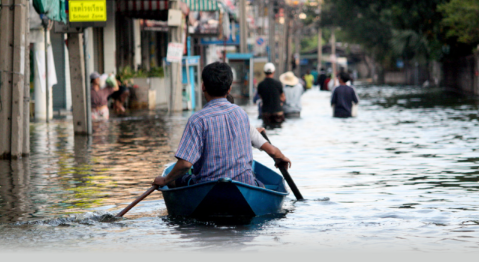
Viet Nam is likely to continue facing extreme weather conditions such as higher temperatures, lower summer rainfalls, stronger storms, and rising sea levels from now to 2050. Temperatures in northern Viet Nam will rise by between 0.83 degrees Celsius by 2050 and continue its uptrend during the late 21st century. Summer rainfall will decline in most areas. Meanwhile, storms may become rarer but fiercer, causing possible flash floods and landslides in flood-prone areas of northern mountainous, central and central highland provinces. The forecasts suggest sea level rises of 100mm - 400mm along the entire Vietnamese coast by the end of the 21st century, affecting marine biodiversity and coastal communities. The experts emphasize the unpredictability of climate change and its potential impacts to create a variety of dangerous extreme weather events in the future. To raise the public awareness of climate change impacts, the Vietnamese government urges concerned agencies to work together on devising worst-case scenario models and responses by 2020 and calls on international experts to further support Viet Nam in climate change adaptation. Climate change is a real threat to Viet Nam’s socio-economic development. If sea levels rose one meter, five percent of the country’s land, eleven percent of its population and seven percent of its farmland would be affected.
Question: By 2050, Viet Nam continues facing all of these extreme weather conditions EXCEPT _______.
-
A.
higher temperatures
-
B.
storms reaching record levels
-
C.
lower summer rainfalls
-
D.
rising sea levels
Tạm dịch bài đọc:
Việt Nam có khả năng phải đối mặt với điều kiện thời tiết khắc nghiệt vào năm 2050
Việt Nam có khả năng tiếp tục phải đối mặt với các điều kiện thời tiết khắc nghiệt như nhiệt độ cao hơn, lượng mưa mùa hè thấp hơn, bão mạnh hơn và mực nước biển dâng cao từ nay đến năm 2050. Nhiệt độ ở miền Bắc Việt Nam sẽ tăng khoảng 0,83 độ C vào năm 2050 và tiếp tục xu hướng tăng trong thời gian này. Cuối thế kỷ 21, lượng mưa mùa hè sẽ giảm ở hầu hết các khu vực. Trong khi đó, bão có thể hiếm hơn nhưng dữ dội hơn, có thể gây lũ quét, lở đất ở các vùng thường xuyên bị lũ lụt các tỉnh miền núi phía Bắc, miền Trung và Tây Nguyên. Các dự báo cho thấy mực nước biển dâng 100mm - 400mm dọc toàn bộ bờ biển Việt Nam vào cuối thế kỷ 21, ảnh hưởng đến đa dạng sinh học biển và các cộng đồng ven biển. Các chuyên gia nhấn mạnh tính khó lường của biến đổi khí hậu và những tác động tiềm ẩn của nó nhằm tạo ra nhiều hiện tượng thời tiết khắc nghiệt nguy hiểm trong tương lai. Để nâng cao nhận thức của công chúng về tác động của biến đổi khí hậu, Chính phủ Việt Nam kêu gọi các cơ quan liên quan hợp tác xây dựng các mô hình và biện pháp ứng phó với tình huống xấu nhất vào năm 2020, đồng thời kêu gọi các chuyên gia quốc tế hỗ trợ thêm cho Việt Nam trong việc thích ứng với biến đổi khí hậu. Biến đổi khí hậu là mối đe dọa thực sự đối với sự phát triển kinh tế - xã hội của Việt Nam. Nếu mực nước biển dâng lên một mét, 5% đất đai, 11% dân số và 7% đất nông nghiệp của đất nước sẽ bị ảnh hưởng.
Đến năm 2050, Việt Nam tiếp tục phải đối mặt với tất cả các điều kiện thời tiết khắc nghiệt ngoại trừ _______.
A. nhiệt độ cao
B. bão đạt mức kỉ lục
C. lượng mưa mùa hè ít hơn
D. mực nước biển tăng
Thông tin: Viet Nam is likely to continue facing extreme weather conditions such as higher temperatures, lower summer rainfalls, stronger storms, and rising sea levels from now to 2050.
(Việt Nam có khả năng sẽ tiếp tục phải đối mặt với điều kiện thời tiết khắc nghiệt như nhiệt độ cao hơn, mưa mùa hạ thấp, bão mạnh hơn, và mực nước biển dâng cao từ nay đến năm 2050.)
Đáp án: B
Đáp án : B






Danh sách bình luận